A brighter smile can make everyday moments—from meeting new people to taking family photos—feel a little more comfortable. If coffee, tea, aging, or tobacco has left the teeth looking dull, professional whitening may offer a simple way to refresh their appearance.
For patients considering teeth whitening in Monroe Township, NJ, it helps to understand what the treatment can and cannot do. Whitening is not the right solution for every type of discoloration, and choosing an appropriate method can make a meaningful difference in comfort, safety, and results.
This guide explains how professional whitening works, what to expect, and how to keep a brighter smile looking its best.
This article provides general educational information and is not a substitute for an examination or personalized advice from a dentist. Anyone with tooth pain, gum irritation, cavities, or significant sensitivity should consult a dental professional before using whitening products.
Why Do Teeth Become Stained?
Natural teeth are not usually bright white. Healthy enamel can range from ivory to pale yellow or gray, and tooth color varies from person to person. Teeth can also become darker gradually, even with good brushing habits.
Common causes of surface staining include:
- Coffee, black tea, and red wine
- Dark sodas and strongly pigmented foods
- Smoking or other tobacco use
- Plaque and tartar buildup
- Normal changes associated with aging
Some discoloration develops inside the tooth rather than on its surface. Dental trauma, certain medications, changes during tooth development, and thinning enamel may contribute to deeper color changes. These stains may respond differently to whitening gel, which is why a dental evaluation is useful before treatment begins.
How Professional Teeth Whitening Works
Professional whitening uses peroxide-based ingredients that move into the tooth structure and break apart stain-causing compounds. This changes how light reflects from the teeth, creating a lighter appearance without removing a layer of enamel.
There are two common dentist-supervised approaches.
In-Office Whitening
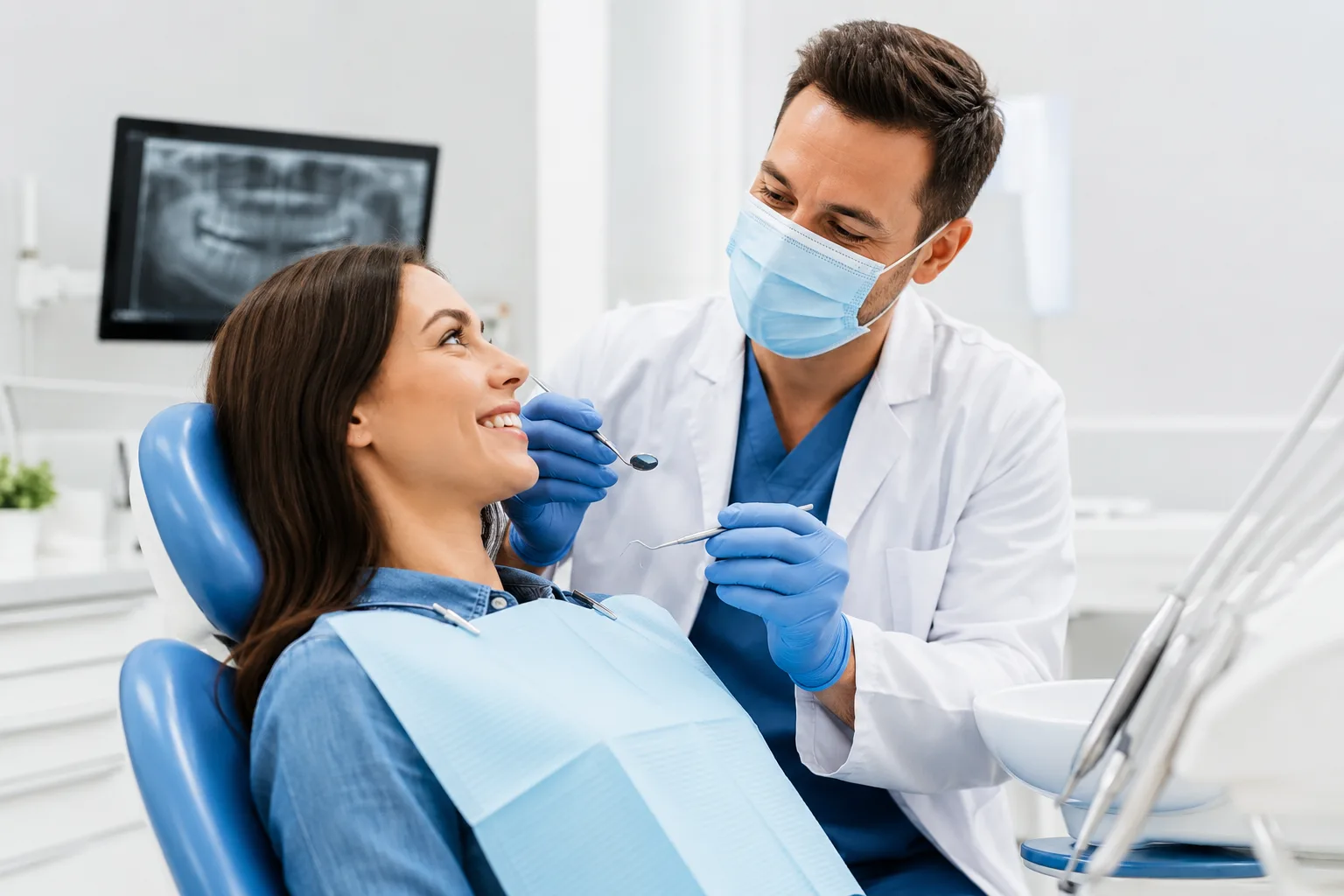
During chairside whitening, the dental team first protects the gums and other soft tissues. A professional-strength whitening material is then placed on the visible surfaces of the teeth. Depending on the system and the patient’s goals, the gel may be applied in one or more cycles.
In-office care appeals to people who want their treatment completed under direct professional supervision. It may be especially convenient before a wedding, reunion, job interview, or another important occasion. However, the amount of improvement varies with the starting shade, type of stain, and condition of the teeth.
Dentist-Supervised Take-Home Whitening
A dentist may also provide custom-fitted trays and whitening gel for use at home. The trays are designed to hold the product close to the teeth while limiting unnecessary contact with the gums.
Take-home treatment brightens the teeth more gradually and lets patients whiten according to the dentist’s instructions. The American Dental Association’s MouthHealthy resource notes that dentist-provided at-home whitening may take anywhere from several days to a few weeks, depending on the product and plan.
Neither method is automatically best for everyone. The right choice depends on the desired pace, history of sensitivity, existing dental work, and the kind of discoloration present.
Professional Whitening vs. Store-Bought Products
Drugstore shelves contain whitening strips, gels, rinses, toothpastes, and LED-style kits. Some can reduce mild surface staining when used correctly, but the fit, concentration, and degree of professional oversight differ from dentist-supervised treatment.
Whitening toothpaste generally polishes away surface stains rather than significantly changing the underlying tooth color. Strips may brighten some smiles, but they do not always contact curved, crowded, or uneven teeth consistently. Gel that touches the gums can also cause irritation.
Professional care begins with an oral evaluation. A dentist can look for decay, gum inflammation, exposed roots, enamel wear, or restorations that may affect the whitening plan. Customization is particularly helpful for someone who has experienced sensitivity in the past.
Regardless of the product, more is not always better. Overusing whitening agents may irritate the gums or damage tooth surfaces. The ADA advises patients to follow product directions and speak with a dentist about safe use.
Who May Be a Good Candidate?
Whitening tends to work best for patients with healthy teeth and gums who want to reduce yellow or brown discoloration caused by food, drinks, tobacco, or aging. A routine cleaning may be recommended first if plaque or tartar is affecting the appearance of the teeth.
A dentist may recommend treating other concerns before whitening when a patient has:
- Untreated cavities
- Cracked or damaged teeth
- Active gum disease or significant gum irritation
- Exposed roots
- Ongoing or unexplained tooth sensitivity
- Dental restorations in highly visible areas
Fillings, crowns, bridges, veneers, and dental implants do not whiten like natural enamel. If these restorations already match the existing tooth shade, brightening the surrounding teeth may make the color difference more noticeable. Planning the final shade before receiving new cosmetic restorations can help create a more harmonious result.
Deep internal discoloration may also require another cosmetic approach. In those situations, the dentist can discuss whether bonding, veneers, or another option may better suit the patient’s needs.
Does Teeth Whitening Cause Sensitivity?
Temporary sensitivity is one of the most common concerns about whitening. Peroxide can pass through the enamel and reach the dentin, where it may briefly irritate the nerve inside the tooth. Some patients describe a quick “zing” when breathing cold air or drinking something chilled.
The ADA explains that this sensitivity is usually temporary. Gum irritation can also occur when whitening material comes into contact with soft tissue.
At Monroe Dental & Implants, the practice reports that some patients experience mild sensitivity for approximately 24 to 48 hours and that desensitizing agents may be used to support comfort. Individual experiences can vary.
A dentist may adjust the amount of gel, shorten wear time, space out applications, or recommend a sensitivity-focused toothpaste. Patients should stop using a product and contact a dentist if discomfort is severe, persists, or is isolated to one tooth, as this could signal a separate dental concern.
What to Expect at a Whitening Consultation
A whitening visit should begin with a conversation rather than a one-size-fits-all treatment. The dental team may ask what the patient dislikes about the current shade, whether there is an upcoming event, and how much maintenance feels realistic.
The dentist may then:
- Examine the teeth and gums for concerns that should be treated first.
- Review existing fillings, crowns, veneers, bridges, or implants.
- Identify whether the staining appears external or internal.
- Discuss prior sensitivity and any previous whitening attempts.
- Explain realistic shade goals and suitable treatment options.
Whitening can create a noticeable change, but it cannot guarantee a particular shade. Natural tooth color, enamel thickness, stain type, and previous dental treatment all influence the outcome.
How Long Can Whitening Results Last?
Whitening is not permanent because the teeth remain exposed to foods, beverages, and habits that cause staining. According to the practice’s whitening information, results may commonly last about one to three years depending on diet and habits. This is an estimate rather than a guarantee; some patients may notice changes sooner or later.
Helpful habits for maintaining the result include:
- Brushing twice daily with fluoride toothpaste
- Cleaning between the teeth every day
- Attending routine dental cleanings and examinations
- Rinsing with water after coffee, tea, or red wine
- Limiting tobacco use
- Following the dentist’s instructions for occasional touch-ups
The ADA also recommends good oral hygiene and reducing exposure to stain-causing drinks after whitening. Drinking water alongside darker beverages can help rinse pigments away, although it does not replace brushing or professional care.
Frequently Asked Questions About Teeth Whitening
Is professional teeth whitening safe?
Whitening is generally considered safe for appropriate candidates when approved products are used as directed. A dental examination can identify cavities, gum problems, exposed roots, or other factors that may increase discomfort or require treatment first.
Will whitening damage enamel?
Properly supervised whitening is designed to change tooth color without removing enamel. However, excessive or improper product use can irritate gums and may harm tooth surfaces. Patients should follow professional instructions and avoid combining multiple whitening products without guidance.
Can yellow teeth become completely white?
Yellow-toned stains often respond to whitening, but no treatment can promise a specific shade. Every smile has a natural color, and very bright results may not look natural or be achievable for every patient.
Can crowns, fillings, veneers, or implants be whitened?
No. Whitening gel changes the color of natural teeth but does not lighten most restorative materials. A dentist can evaluate whether visible restorations will continue to blend with the smile after treatment.
Should teeth be cleaned before whitening?
Often, yes. A professional cleaning can remove plaque, tartar, and some surface stain, allowing the dentist to evaluate the underlying tooth shade more accurately. The appropriate sequence depends on the patient’s oral health.
How much does professional teeth whitening cost?
Cost varies based on whether treatment is completed in the office or at home, the whitening system, the number of visits, and whether other dental care is needed first. Because whitening is usually cosmetic, insurance may not cover it. Patients can request a personalized estimate before deciding.
How soon before an event should someone whiten?
Planning ahead gives the dentist time to examine the smile, address existing concerns, and choose a comfortable treatment schedule. It also allows temporary sensitivity to settle. Patients with an upcoming event should share the date during the consultation rather than waiting until the last minute.
Explore Teeth Whitening in Monroe Township, NJ
A brighter smile starts with understanding why the teeth have changed color and selecting a method suited to the individual. Professional guidance can reduce guesswork, protect sensitive areas, and set realistic expectations for both the result and its maintenance.
Patients interested in teeth whitening in Monroe Township, NJ can contact Monroe Dental & Implants at 623 Spotswood Englishtown Rd, Suite 6, Monroe Township, NJ 08831. The team can answer questions, evaluate tooth and gum health, and discuss whether in-office or take-home whitening may be appropriate. A consultation is a comfortable first step toward choosing a brighter smile with confidence.